
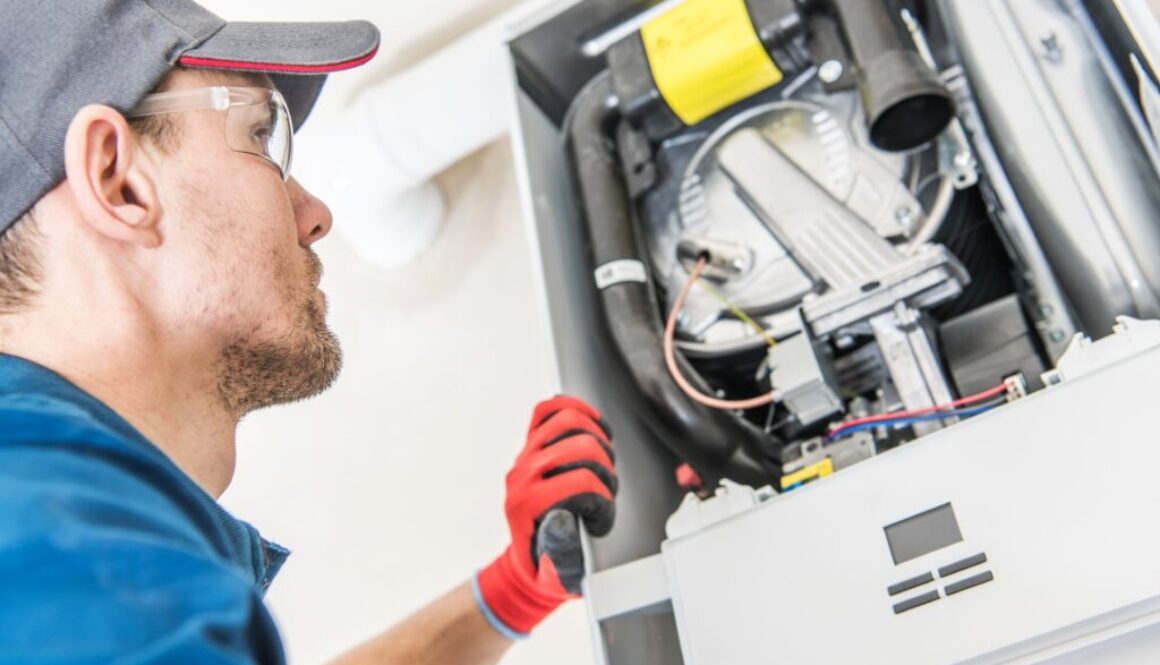
The 2025 Ultimate Furnace Guide
Keeping your home warm through harsh winters requires a heating system that is reliable, efficient, and built for long-term performance. In 2025, the furnace market is shifting rapidly due to new energy regulations, smart-home integrations, improved fuel efficiency, and rising homeowner expectations. Whether you’re replacing an outdated unit, upgrading for better performance, or researching for long-term cost savings, understanding today’s furnace options is essential.
This guide breaks down everything you need to know—from how modern heating systems work to what features matter most—so you can make an informed decision that enhances comfort while controlling energy costs. Big Sky Heating and Cooling Systems brings years of industry experience to help you navigate this investment with clarity.
What a Furnace Really Does and Why It Still Matters
Despite growing interest in heat pumps, furnaces remain the primary heating source for millions of households. Their advantage lies in high heat output, consistent performance in extreme cold, and long lifespan.
A furnace works by generating heat through gas, electricity, or oil, then distributing that warm air throughout your home via a forced-air system. Modern models offer dramatically better efficiency, safer ignition systems, and advanced control features that boost comfort and performance in Worden, MT.
Furnace Types You Should Know in 2025
Choosing the right furnace begins with understanding the available categories. Each type comes with strengths and limitations that impact cost, performance, and energy use.
Gas Furnace
Still the most popular option. Natural gas pricing remains relatively stable, making gas furnaces cost-effective. Newer models reach AFUE ratings as high as 98%, significantly reducing energy waste.
Electric Furnace
Ideal for locations without natural gas access. They cost less upfront but can be more expensive to operate depending on electricity rates.
Oil Furnace
Less common today but still used in rural settings. These units deliver strong heat output but require regular maintenance and tank refills.
High-Efficiency Condensing Furnace
Uses dual heat exchangers to extract more heat from combustion gases. High initial cost, but reduces monthly bills significantly.
Variable-Speed Furnace
Automatically adjusts airflow to maintain consistent temperatures. Better comfort, fewer temperature swings, and quieter operation.
Smart Furnace (2025 Trend)
Integrates with home automation systems. Predictive maintenance, remote diagnostics, adaptive temperature patterns, and real-time energy monitoring are becoming standard.
Key Furnace Features That Matter in 2025
Not every feature is worth paying for, but the following have real performance and cost advantages:
AFUE Rating
Annual Fuel Utilization Efficiency measures how much fuel becomes heat. The higher the AFUE, the lower your energy bill.
Standard today: 80–83% | High-efficiency: 95–98%+
Variable-Speed Blower
Improves airflow, reduces energy consumption, and prevents uneven heating.
Sealed Combustion
Pulls air from outside instead of inside your home, improving safety and efficiency.
ECM Motor (Electronically Commutated Motor)
Uses much less electricity compared to traditional blower motors.
Smart Thermostat Compatibility
Essential for remote control, scheduling, and adaptive heating.
Low-NOx Burners
Environmental trend in 2025: lower emissions and cleaner performance.
Signs You Need a New Furnace in 2025
Most homeowners wait too long to replace their furnace, which leads to higher repair costs and inefficient heating. Watch for these warning signs:
- Rising utility bills with no climate change
- Uneven or inconsistent heating
- The furnace is constantly cycling on and off
- Excessive noise, rattling, or banging
- Yellow burner flame instead of blue
- Frequent repair needs
- Unit age 15–20+ years
- Dry air, dust, or poor indoor air quality
If two or more of these apply, an upgrade may save you more money than continuing repairs.
Furnace Buying Guide: How to Choose the Right Unit in 2025
Evaluate Your Home Size and Layout
Oversized units waste energy and short-cycle, while undersized units struggle to heat effectively.
Check Fuel Availability and Cost
Natural gas remains affordable in most regions. Electricity may be costlier, but it is cleaner and easier to maintain.
Consider Long-Term Energy Savings
A high-efficiency furnace often pays for itself through lower heating bills.
Look at Warranty Coverage
Premium models offer 10–12 year warranties on heat exchangers and components.
Get a Professional Load Calculation
Avoid guesswork. Proper system sizing is essential for long-term performance.
Big Sky Heating and Cooling Systems uses advanced diagnostic tools to calculate precise heating needs and eliminate inefficiency.
Installation: Why It Matters More Than the Furnace Brand
Even the best unit will underperform if improperly installed. The majority of furnace failures stem from installation errors—improper ductwork sizing, poor venting, incorrect airflow setup, or mismatched components.
A reputable HVAC installer ensures:
- Safe gas connections
- Proper ventilation
- Correct airflow calibration
- Accurate thermostat integration
- Duct sealing and leak inspection
Big Sky Heating and Cooling Systems follows industry-standard installation procedures designed to maximize system efficiency, performance, and lifespan.
Maintenance: How to Make Your Furnace Last 20+ Years
Annual maintenance is not optional—it directly impacts efficiency, safety, and lifespan.
Essential tasks include:
- Full system inspection
- Blower cleaning
- Filter replacement
- Burner adjustment
- Heat exchanger check
- Electrical and safety system testing
- Vent and flue inspection
A poorly maintained furnace works harder, consumes more fuel, and is more prone to breakdowns during peak winter months.
Energy Efficiency Tips Every Homeowner Should Use
Even with a high-efficiency furnace, poor usage habits waste energy. Use these strategies to control costs:
- Seal air leaks around doors and windows
- Add insulation in attics and basements
- Use programmable or smart thermostats
- Keep vents unobstructed
- Replace filters every 30–90 days
- Use ceiling fans in reverse during winter
- Schedule yearly tune-ups
Small improvements stack into significant monthly savings.
Furnace Pricing in 2025
Prices vary based on size, type, efficiency, and installation complexity.
Average Furnace Costs (2025):
- Standard Efficiency: $3,000–$5,000 installed
- High Efficiency: $5,000–$9,000 installed
- Premium Variable-Speed Models: $8,000–$12,000+
While high-efficiency units cost more upfront, they often reduce energy bills by 20–30%.
Conclusion
A furnace is one of the most important investments you make for your home. The right choice delivers comfort, safety, reliability, and lower monthly heating costs for 15–25 years. With modern advancements in efficiency and smart technology, 2025 offers better furnace options than ever.
Big Sky Heating and Cooling Systems is committed to helping homeowners make informed decisions, select the right equipment, and ensure professional installation and long-term performance. Whether upgrading an old unit or installing a new system, choosing the right furnace pays off in comfort and savings for years to come.
FAQs
1: How long does a furnace last?
Most modern furnaces last 15–25 years, depending on maintenance quality, usage, and installation accuracy.
2: What is the most efficient furnace in 2025?
High-efficiency condensing gas furnaces with AFUE ratings of 97–98%+ are currently the top performers.
3: How often should I service my furnace?
A full professional inspection is recommended once per year, ideally before winter.
4: Does a high-efficiency furnace really save money?
Yes. Homeowners typically reduce heating bills by 20–30% after upgrading to a 95%+ AFUE model.
5: Should I repair or replace my old furnace?
If your furnace is over 15 years old, requires frequent repairs, or is inefficient, replacement is often more cost-effective long-term.