HVAC Maintenance Guide for Efficient Heating and Cooling System Performance
Your HVAC system works hard every day to keep your home comfortable, whether it’s cooling your house during the hottest summer days or providing reliable warmth throughout the winter. Yet, many homeowners don’t think about their heating and cooling system until something goes wrong.
Imagine coming home after a long day only to discover that your air conditioner isn’t cooling properly, or waking up on a freezing winter morning with a furnace that won’t start. These unexpected breakdowns can be stressful, expensive, and inconvenient.
The good news is that most HVAC problems can be prevented with regular HVAC maintenance. Routine inspections, cleaning, and tune-ups help your system operate efficiently, reduce energy costs, improve indoor air quality, and extend the lifespan of your equipment.
At Big Sky Heating and Cooling Systems Inc., we understand the importance of preventative HVAC maintenance and how it helps homeowners avoid costly repairs while maintaining year-round comfort. This guide explains everything you need to know about keeping your heating and cooling system running at peak performance.
Why HVAC Maintenance Is Important
Regular HVAC maintenance is one of the smartest investments homeowners can make. Over time, dust, dirt, and normal wear can reduce system efficiency and increase the risk of breakdowns.
Benefits of Regular HVAC Maintenance
- Improves HVAC system efficiency
- Lowers monthly energy bills
- Reduces the risk of unexpected breakdowns
- Extends equipment lifespan
- Improves indoor air quality
- Maintains consistent temperatures throughout the home
- Identifies potential problems early, reducing the risk of expensive repairs.
According to the U.S. Department of Energy, proper HVAC maintenance can improve system efficiency and reduce energy consumption by up to 15%, helping homeowners save money throughout the year.
HVAC Maintenance Checklist for Homeowners
While professional service is essential, there are several maintenance tasks homeowners can perform regularly to keep their HVAC system operating efficiently.
HVAC Maintenance Schedule
| Maintenance Task | Recommended Frequency |
| Replace Air Filters | Every 1–3 Months |
| Clean Air Vents | Monthly |
| Check Thermostat Settings | Monthly |
| Clean Outdoor Unit | Seasonally |
| Schedule Professional HVAC Tune-Up | Twice Per Year |
1. Replace Air Filters Regularly
Air filter replacement is among the easiest and most important steps in maintaining your HVAC system. A dirty filter restricts airflow, forcing your system to work harder than necessary. This can drive up energy costs and lead to early deterioration of system parts.
Benefits of Clean Air Filters
- Better airflow
- Improved indoor air quality
- Lower energy costs
- Reduced strain on HVAC equipment
Most homeowners should replace filters every one to three months, depending on usage and indoor air quality conditions.
2. Keep Air Vents and Registers Clean
Blocked or dirty vents can prevent proper airflow throughout your home. Walk through each room and make sure furniture, rugs, curtains, or other objects are not covering vents. Dust buildup should also be removed regularly to maintain optimal airflow.
Signs of Restricted Airflow
- Uneven room temperatures
- Weak airflow from vents
- Increased energy bills
- Longer heating and cooling cycles
3. Clean Around the Outdoor HVAC Unit
Adequate airflow is essential for your outdoor condenser unit to operate effectively. Leaves, grass clippings, dirt, and debris can accumulate around the unit and reduce performance.
Outdoor Unit Maintenance Tips
- Remove leaves and debris regularly
- Trim nearby vegetation
- Maintain at least two feet of clearance around the unit
- Inspect for visible damage
Keeping the outdoor unit clean improves airflow and helps prevent overheating.
4. Optimize Thermostat Settings
Your thermostat plays a significant role in HVAC efficiency.
Programmable and smart thermostats allow homeowners to automatically adjust temperatures throughout the day, reducing unnecessary energy use.
Energy-Saving Thermostat Tips
- Lower heating temperatures while sleeping
- Raise cooling temperatures when away from home
- Use programmable schedules
- Upgrade to a smart thermostat if possible
The U.S. Department of Energy estimates homeowners can save up to 10% annually on heating and cooling costs by adjusting thermostat settings strategically.
5. Recognize Warning Signs of Potential HVAC Problems
Many HVAC systems provide early warning signs before major failures occur.
Pay attention to unusual sounds, odors, or changes in performance.
Common HVAC Warning Signs
- Weak airflow
- Strange noises
- Uneven temperatures
- Higher utility bills
- Frequent cycling
- Unusual odors
If you notice any of these issues, professional HVAC inspection and maintenance should be scheduled promptly.
Professional HVAC Maintenance Services
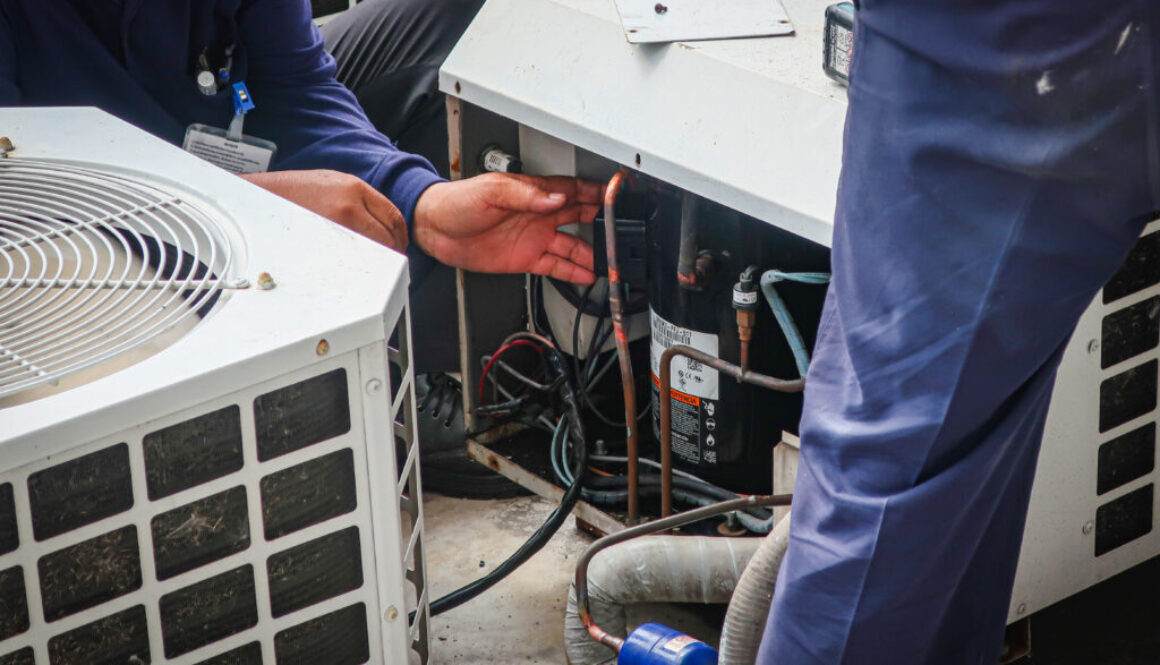
While homeowners can handle basic maintenance tasks, professional HVAC tune-ups are essential for keeping systems operating safely and efficiently.
During a professional maintenance visit, technicians typically perform:
- Electrical connection inspections
- Refrigerant level checks
- Thermostat calibration
- Coil cleaning
- Blower motor inspection
- System performance testing
- Safety inspections
Professional maintenance helps identify potential issues before they lead to expensive repairs or system failure.
How Often Should HVAC Maintenance Be Performed?
Most HVAC technicians suggest servicing your system twice annually:
Spring HVAC Maintenance
Preparing your air conditioning system for summer operation.
Fall HVAC Maintenance
Preparing your heating system for winter performance.
Routine seasonal maintenance helps ensure reliable operation during peak demand periods.
Common Benefits of Preventative HVAC Maintenance
Preventative HVAC maintenance offers long-term advantages, including:
- Reduced repair costs
- Improved comfort
- Longer equipment lifespan
- Better energy efficiency
- Cleaner indoor air
- Increased home value
Investing in maintenance today can prevent costly emergency repairs in the future.
Conclusion
The heating and cooling system is among the most important and valuable parts of your home. Regular HVAC maintenance helps maximize efficiency, improve indoor comfort, reduce energy costs, and extend equipment life.
By replacing air filters, keeping vents clean, maintaining your outdoor unit, and scheduling professional HVAC maintenance services twice each year, you can enjoy reliable heating and cooling performance in every season.
At Big Sky Heating and Cooling Systems Inc., our experienced technicians are committed to helping homeowners keep their HVAC systems operating at peak efficiency. Contact us today to schedule professional HVAC maintenance and enjoy year-round comfort and peace of mind.
FAQs
1. How often should HVAC maintenance be performed?
Most HVAC systems should receive professional maintenance twice per year, once in the spring and once in the fall.
2. What is included in HVAC maintenance?
HVAC maintenance typically includes filter checks, coil cleaning, thermostat testing, electrical inspections, refrigerant checks, and system performance evaluations.
3. Can HVAC maintenance lower energy bills?
Yes. A properly maintained HVAC system operates more efficiently and uses less energy, helping reduce monthly utility costs.
4. What happens if HVAC maintenance is skipped?
Skipping maintenance can lead to reduced efficiency, higher energy bills, costly repairs, and a shorter system lifespan.
5. How long does an HVAC system last with proper maintenance?
Most well-maintained HVAC systems can last between 15 and 20 years, depending on usage and equipment quality.